Agentic Business Transformation: The Age of Autonomy in Enterprise Operations
The first wave of generative artificial intelligence transformed access to information and content creation. In this new era, however, competitive advantage is measured not by how much content AI can produce, but by how much work it can perform on behalf of an organisation.
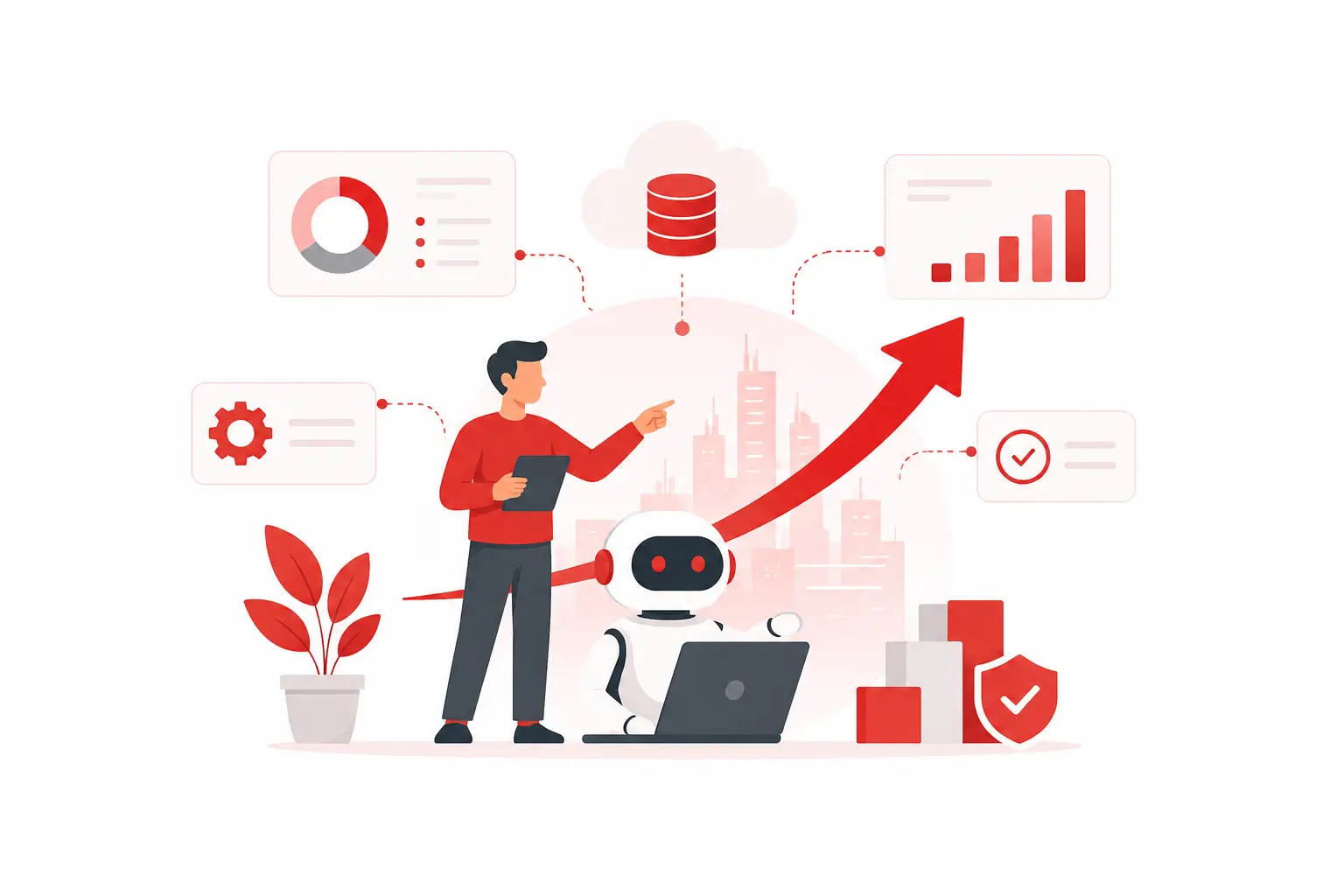
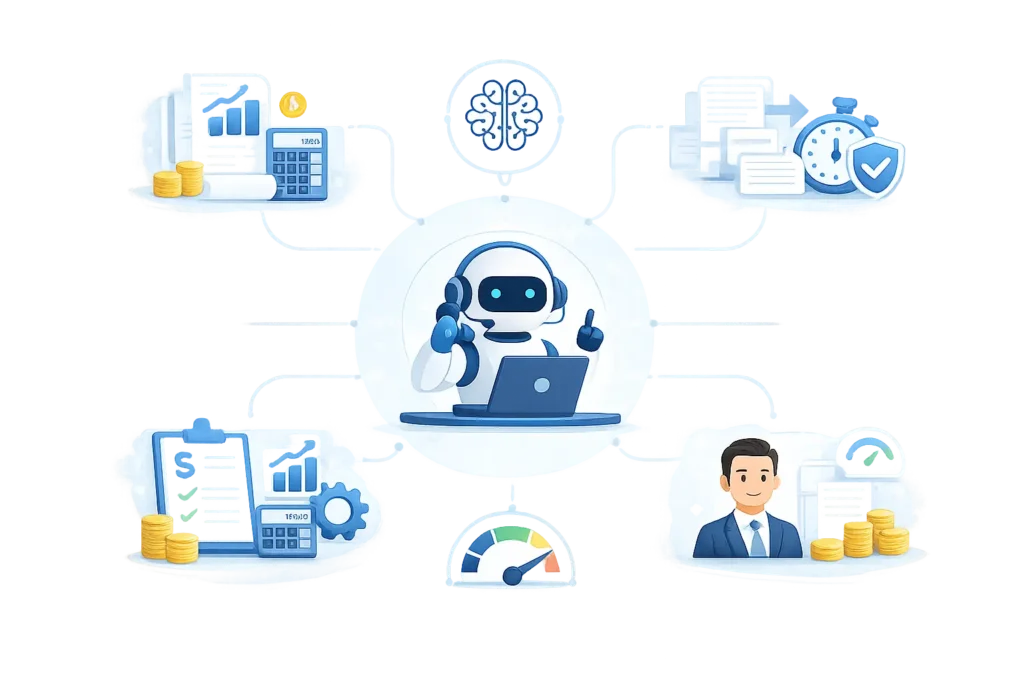
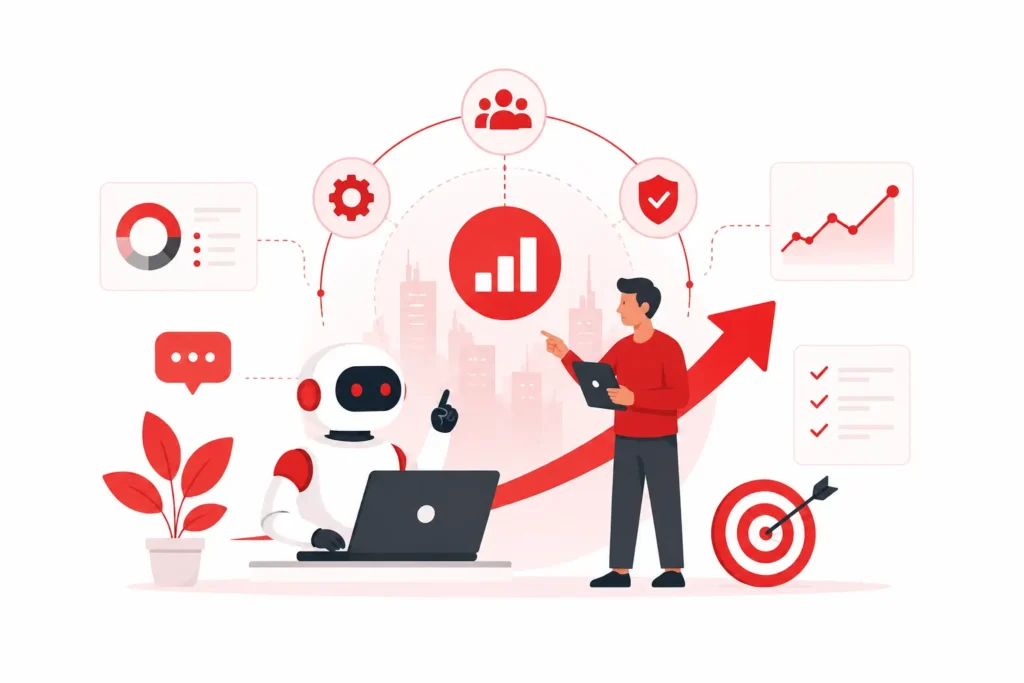
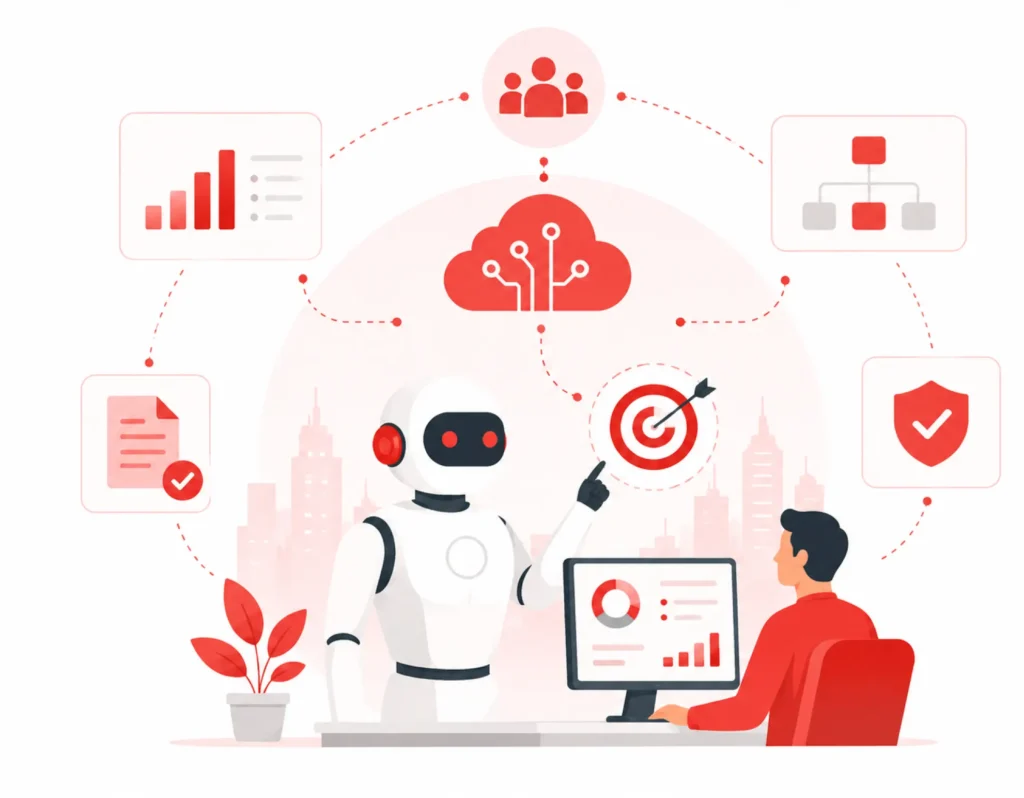
As part of enterprise artificial intelligence solutions, Agentic Business Transformation moves AI beyond the chat interface and makes it an active component of enterprise operations. In this approach, AI does not simply provide recommendations. It understands objectives, participates in decision-making processes and initiates the necessary actions.
At Global IT, we design secure and scalable agentic architectures integrated into the operational backbone of organisations, using the Google Cloud ecosystem and the WEOLL platform.
Traditional generative AI solutions respond to user commands. Agentic systems, on the other hand, operate according to defined objectives and can manage processes from end to end.
Traditional AI
Agentic AI
Waits for user commands
Works towards defined objectives
Generates content
Executes business processes
Focuses on individual tasks
Manages multi-step operations
Is limited to a chat interface
Integrates with enterprise systems
Provides recommendations
Takes action
Transform Enterprise Applications into an Agentic Ecosystem
One of the greatest challenges organisations face is data and applications distributed across different departments. ERP, CRM, data warehouse, service management and document systems often operate independently from one another.
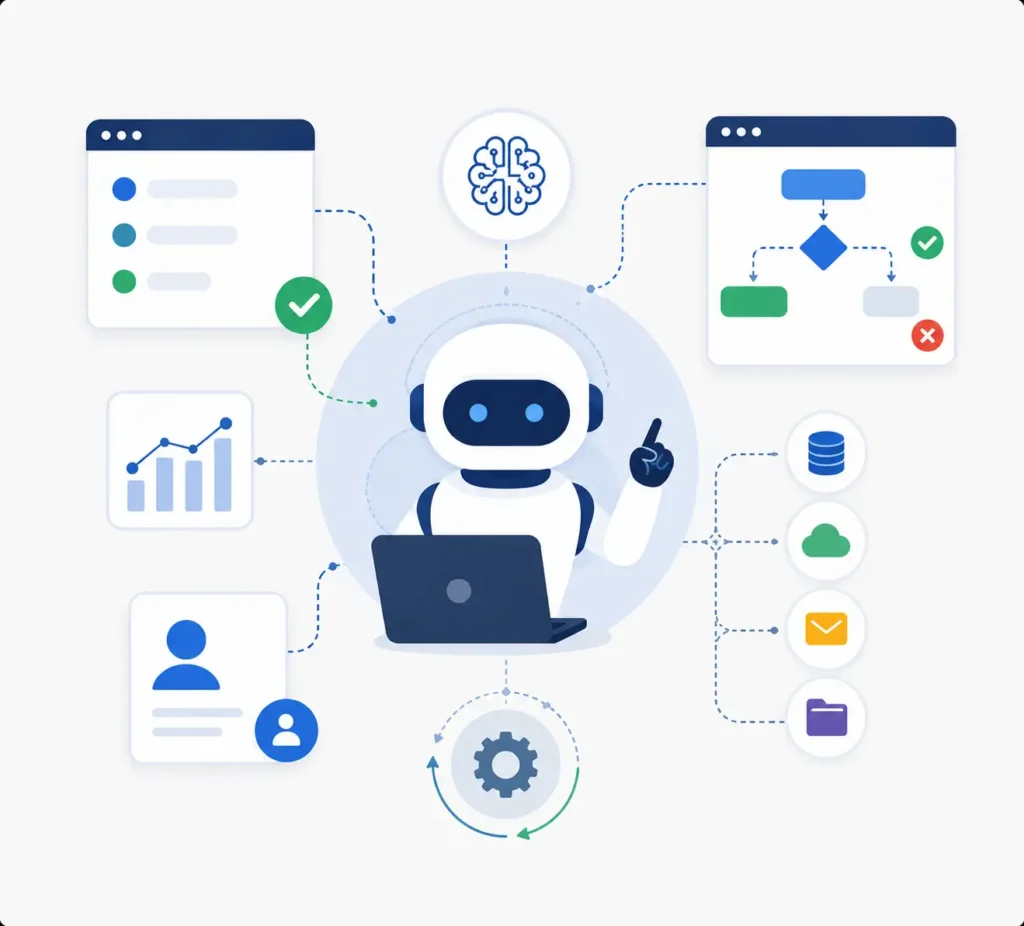
With the Gemini Enterprise Agent Platform (GEAP), we create a shared intelligence layer between these systems.
Fast Connectivity with MCP
Using the Model Context Protocol (MCP) and a universal connector architecture, we accelerate integration with SAP, BigQuery, Cloud SQL and other enterprise systems.
Instead of traditional integration projects that take months, we provide a controlled and standardised access model for the data sources required by AI agents.
Agentic Data Cloud
Data is no longer simply an asset that is stored.
With the Agentic Data Cloud approach, data becomes active enterprise intelligence that:
Understands organisational context
Supports business processes
Strengthens decision-making mechanisms
Can be used by autonomous agents
Secure and Auditable Architecture
Every agent’s access, permissions and actions remain under control.
With components such as Model Armor, Agent Gateway and Agent Identity:
Prompt injection attacks are prevented.
Sensitive data is protected.
KVKK compliance is supported.
All actions become traceable and auditable.
A New Era in Business Processes: Agentic Process Automation
Traditional RPA systems depend on predefined rules. When a process changes or an unexpected situation occurs, human intervention is usually required.
Agentic Process Automation (APA), however, operates according to defined objectives.
AI agents can:
Understand the context of a process
Create alternative paths
Communicate with the required systems
Identify points where human approval is needed
Complete processes with a results-oriented approach
Built on the WEOLL i-BPM platform, this structure makes operations more agile, faster and more scalable.
Ready-to-Use AI Agents for Different Departments
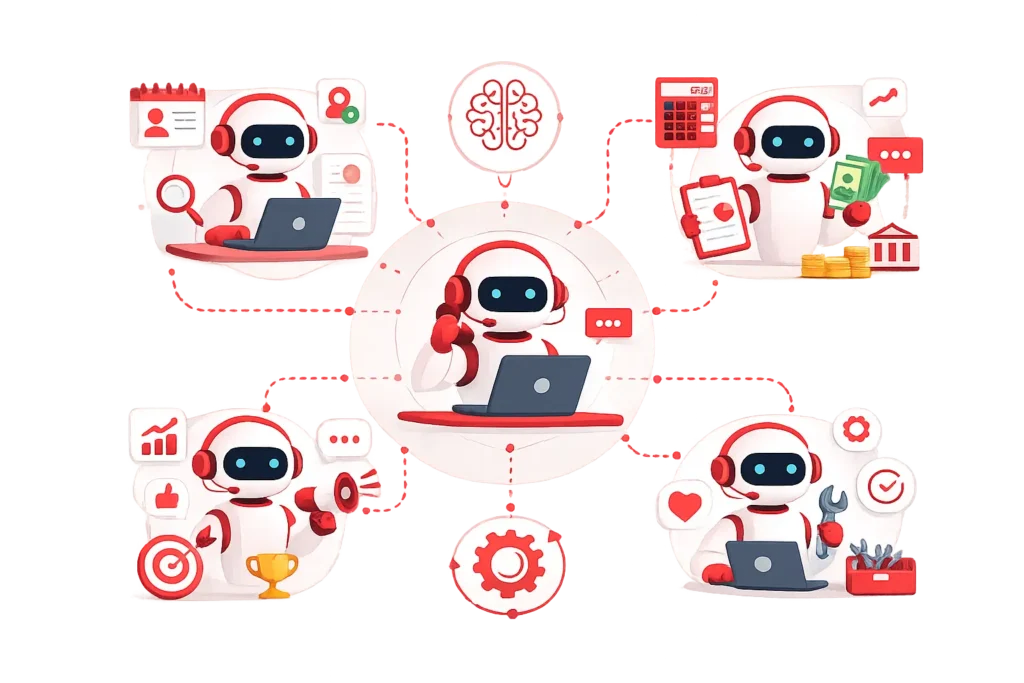
Organisations can accelerate their transformation with ready-to-use agent templates:
Human Resources Agents
Finance and Reconciliation Agents
Customer Service Agents
Sales Operations Agents
Service and Support Agents
These agents can be adapted to enterprise processes and deployed within a short period of time.
The Financial Impact of Agentic Transformation
Agentic transformation is not only a technological investment.
By improving operational efficiency, reducing errors and accelerating processes, organisations can achieve significant financial gains.
Potential areas of improvement include:
Reducing manual data entry
Accelerating document processing
Optimising human resources operations
Reducing financial error rates
Increasing operational agility
Build the Enterprise of the Future Today
In the new era, businesses will not only become digital. They will become autonomous.
With the Agentic Business Transformation approach, you can bring your organisation’s data, applications and process layers together under a single operational intelligence framework, enabling sustainable growth and efficiency.
At Global IT, we are ready to become your strategic technology partner throughout this transformation journey.
Why Global IT?
Since 2006, we have been the premier partner of Google Cloud and Google Workspace.
We have completed over 4,000 projects for more than 1,000 customers across 20+ industries.
Our expertise spans Infrastructure Services, Business Transformation, and Data Analytics.
We hold over 90 Google Cloud certifications.
We specialize in crafting and implementing cloud solutions tailored to your company's unique needs.
Our partners trust our expertise in optimizing work environments, managing databases and infrastructure, and providing robust security. We deliver innovative solutions, enhance operational efficiency, and provide strong data and infrastructure management capabilities.
Our References
Contact us to evaluate your organisation’s agentic transformation potential and create a customised roadmap for your business.
Artificial intelligence is no longer just a tool that answers questions.
Meet the next generation of digital workforce that understands your organisation, acts according to defined goals and completes tasks.
At Global IT, we introduce businesses to the “Metal Collar” workforce of the Agentic AI era.
What Is a Metal Collar?
Until now, we have mostly used artificial intelligence through a chat interface.
We asked a question.
We generated content.
We created a report.
In this new era, however, AI is no longer expected only to produce. It is expected to complete the work.
We call this the Metal Collar.
Metal Collar employees:
Understand your organisation
Learn your processes
Make decisions
Work across multiple systems
Collaborate with people
Continue taking action until the objective is achieved
Why Metal Collar?
In the past, business growth required more human resources. Today, the digital workforce is also becoming part of the organisation.
Teams are no longer made up solely of white-collar and blue-collar employees.
Your new team member can:
Work 24/7
Manage hundreds of tasks simultaneously
Learn from enterprise data
Complete repetitive tasks consistently and accurately
Enable human employees to focus on strategic work
The Metal Collar Ecosystem
The technology behind Metal Collar employees:
Gemini Enterprise
NotebookLM Enterprise
Google Workspace
Weoll
MCP
Agentic Data Cloud
Global IT Approach
We do not simply add artificial intelligence to your organisation. We bring a new employee into your organisation.
As a Google Cloud Premier Partner, we design and implement Metal Collar teams that are: